






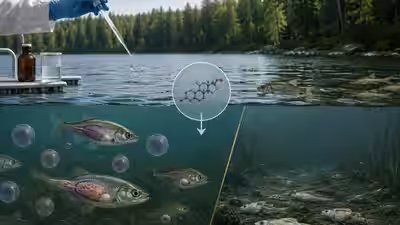
In 2001, scientists began adding 5 to 6 nanograms per litre of synthetic estrogen to an Ontario lake; after 2 seasons its minnow population collapsed

Representative Image (AI-generated) A tiny concentration of a synthetic hormone was enough to trigger a dramatic ecological change in a remote Ontario lake. In 2001, scientists began adding the synthetic estrogen 17α-ethynylestradiol (EE2) to Lake 260 in northwestern Ontario, maintaining concentrations of about 5 to 6 nanograms per litre. The experiment continued for seven years,…
Read More

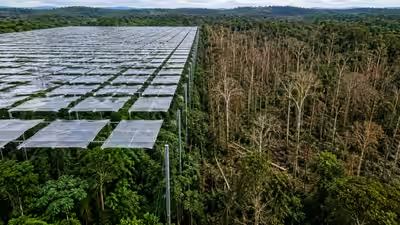
Scientists covered an Amazon rainforest plot with 6,000 panels to block half its rain; large trees died and biomass fell by a third |

Deep in the Caxiuanã National Forest in northern Brazil, a patch of rainforest the size of a football pitch tells the story of what a drier Amazon might look like. Since 2002, scientists have suspended nearly 6,000 transparent plastic panels above one hectare of pristine forest, diverting roughly half the rainfall away from the soil…

Read More

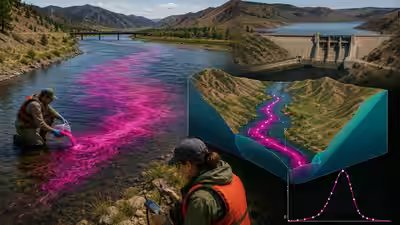
In 2010, US scientists released dye into Montana’s Missouri River and tracked it across 41.2 miles; one reservoir held the plume for 8.2 hours, helping predict chemical-spill timing

Representative Image (AI-generated) A river can carry a contaminant far beyond the point where it enters the water, but predicting exactly how quickly that material will travel is not always straightforward. In 2010, scientists with the U.S. Geological Survey (USGS), working with the Montana Department of Environmental Quality, conducted a dye-tracing experiment on a 41.2-mile…

Read More

Quote of the day by Marie Curie: “I have no dress except the one I wear every day. If you are going to be kind enough to…” – a timeless lesson on choosing purpose over appearance |

Quote of the Day by Marie Curie Marie Curie is remembered as one of the most important scientists in modern history, yet a single letter from 1895 offers a genuinely striking glimpse into her real priorities. Ahead of her marriage to Pierre Curie in July that year, someone had offered to give her a wedding…

Read More

2,800+ wolves killed, nearly $10 million spent and 15 caribou herds still at risk: Why scientists say British Columbia is targeting the wrong problem

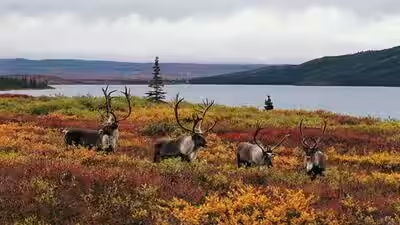
Since 2015, British Columbia has killed 200-300 wolves annually to help endangered caribou populations recover. Recently, the provincial government has proposed extending its decade-long wolf cull program by five more years in areas that are home to 15 declining woodland caribou herds. But according to scientists, the deforestation, not the wolves, is the main driver…

Read More

In 2003, crews began removing non-native fish from the Grand Canyon; by 2006 rainbow trout’s share of the catch had fallen from about 90% to under 10%

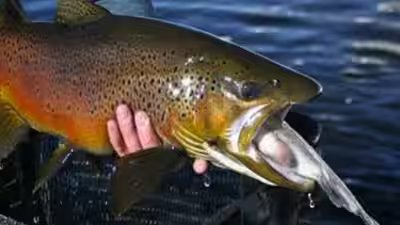
In the depths of the Grand Canyon, scientists were trying to give native fish a better chance of survival, by taking other fish out of the Colorado River. A four-year fish-removal experiment conducted between 2003 and 2006 dramatically changed the composition of fish being caught in one section of the river. According to a 2011…

Read More

Meet the ‘Turtle Women’ of Amazon: 7 Indigenous women are bringing vulnerable river turtles back from the brink after releasing 208 baby turtles into the wild |

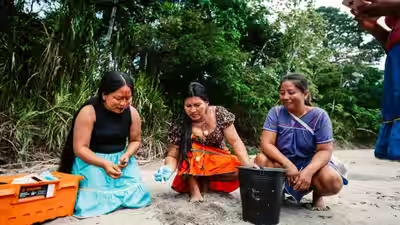
Seven Indigenous Siekopai women in Ecuador’s Amazon are using ancestral knowledge, modern technology and community-led conservation to give vulnerable river turtles a better chance of survival. Known as the Tari Nomiowa’i, or “Turtle Women”, the group patrols the banks of the Aguarico River in search of charapa turtle nests, carefully collects eggs threatened by flooding,…

Read More

Your AI may soon be able to pay for things through UPI without asking every single time: Here is how India plans to control it

India’s digital payment journey has evolved from passwords, PINs and OTPs to fingerprints and facial authentication, making transactions faster and more seamless. Now, with AI, the next step could be completely hands-free payments, where systems recognise users, assess transactions and authenticate payments almost invisibly.The country may allow AI agents to make small UPI payments without…

Read More

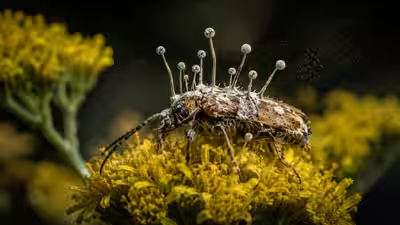
A fungus turns beetles into zombies and makes them die on flowers; scientists say the timing helps infect the next generation |

A fungus infecting goldenrod soldier beetles can alter their behaviour before death and cause changes to their bodies afterwards. Researchers investigating Eryniopsis lampyridarum found infected Chauliognathus pensylvanicus beetles clamped their mandibles tightly onto flower heads shortly before dying. Between 15 and 22 hours after death, the fungus caused the beetles to raise their hardened forewings…

Read More