










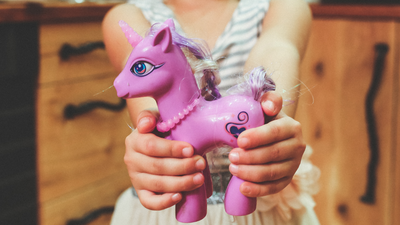
A toddler picks up a favourite toy, walks towards a parent and proudly holds it out. Just as the parent reaches for it, the child pulls it away, hugs it close or starts playing with it again. A few moments later, the same thing happens. The child offers the toy, waits for a reaction and then takes it back.For adults, this can look like teasing, possessiveness or a child who wants attention without actually sharing. But this seemingly confusing behaviour may offer a glimpse into how toddlers are beginning to understand one of the more complicated social skills: sharing.
8 Oct 2026 | 14:25
What is the hardest part of raising a toddler that nobody prepared you for?
At this age, sharing is not simply about handing something over. It involves understanding that another person may want an object, recognising that the object belongs to someone and gradually learning that giving something away does not necessarily mean losing it forever.
Sharing is a skill toddlers are still learning
Research suggests that the ability to share develops gradually during the second and third years of life. A 2013 study published in the journal Child Development, titled Mine or Yours? Development of Sharing in Toddlers in Relation to Ownership Understanding, examined how 51 children aged 18 and 24 months shared toys and food with an adult playmate.The researchers found that 24-month-olds shared more frequently and spontaneously. Eighteen-month-olds, meanwhile, were more likely to share when given repeated opportunities and when the other person made their desire for an object sufficiently clear.
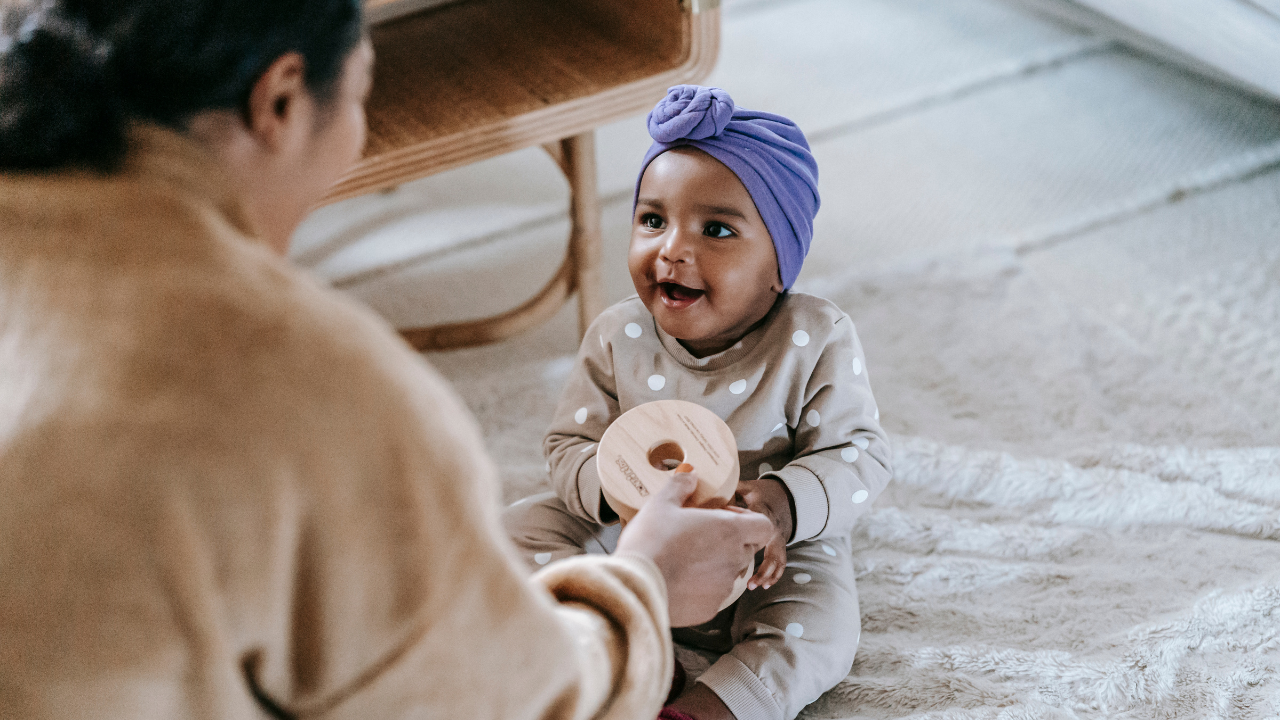
Photo: Canva
Interestingly, the study also found an association between children’s understanding of ownership and their sharing behaviour. Children who showed a better understanding of who owned an object were also more likely to share.This helps explain why a toddler may offer a toy one moment and reclaim it the next. The child may be navigating two emerging ideas: wanting to involve someone else in play and wanting to retain control over something they consider theirs.
Offering a toy and taking it back may be part of social experimentation
Toddlers do not learn social behaviour through instructions alone. They also learn by experimenting with interactions and observing how other people respond.When a child offers a toy, they are creating an opportunity for interaction. They may be inviting a parent to play, checking whether the adult is interested or exploring what happens when an object moves from their hands to someone else’s.Taking it back may reflect a change of mind, a desire to maintain control or simply an interest in repeating the interaction. It does not necessarily mean the child is deliberately testing or manipulating the adult.Research on early prosocial behaviour supports the idea that children begin showing concern for other people’s needs much earlier than many adults assume.In a 2006 study published in Science, researchers Felix Warneken and Michael Tomasello found that children as young as 18 months could help adults achieve their goals in different situations, even without receiving a reward.The findings, published in Altruistic Helping in Human Infants and Young Chimpanzees, suggest that the foundations of helping others emerge early in childhood. However, being able to help and consistently sharing something personally valued are different skills.
Why the idea of ‘mine’ matters
For a toddler, a favourite stuffed animal, toy car or building block can be more than an object. It is something familiar that the child feels attached to and has some control over.A 2019 study published in the Journal of Experimental Child Psychology, Give and Take: Ownership Affects How 2- and 3-Year-Olds Allocate Resources, examined how 240 children aged two and three considered ownership when distributing resources.The researchers found that children generally preferred their own resources when choosing objects for themselves and showed an awareness of what belonged to another person.This is an important part of the sharing process. Before children can comfortably give something away, they are also learning what belongs to them, what belongs to someone else and what it means to let another person use their possessions.Therefore, a toddler taking back a toy need not be interpreted as an unwillingness to share. It may simply reflect the fact that the child is still working out the boundaries of ownership and control.
How parents can respond without forcing sharing
When a toddler offers a toy and immediately takes it back, parents do not need to turn the moment into a lesson about good behaviour.Instead, they can acknowledge the interaction without insisting that the child hand over the object.For instance, a parent could say, “You showed me your car! You want to play with it too?” This recognises the child’s attempt to involve another person while respecting their decision to keep the toy.Parents can also demonstrate sharing during everyday activities. Taking turns while stacking blocks, offering a piece of fruit or passing a ball back and forth can help children experience sharing as an enjoyable interaction rather than an obligation.It is equally important not to label a toddler as selfish because they are reluctant to give something away. Developmental skills do not emerge at the same pace in every child, and one interaction cannot establish how generous or cooperative a child will become.A 2026 study published in Developmental Science, Toddlers Are Happier Giving to Others Than to Themselves, studied 134 toddlers with an average age of approximately 20.5 months. Researchers found that toddlers displayed greater happiness after giving resources to others than after receiving them. Actively sharing also produced greater happiness than simply watching someone else share.The findings offer an encouraging insight: giving can become rewarding for children quite early in life.So, the next time a toddler offers you a toy only to pull it back seconds later, there may be no need to correct the behaviour immediately. The child might simply be discovering how it feels to offer something, involve another person and still want it back.Learning to share is not always a straight line from holding on to letting go. Sometimes, it begins with a little offering, a quick retreat and another attempt.