




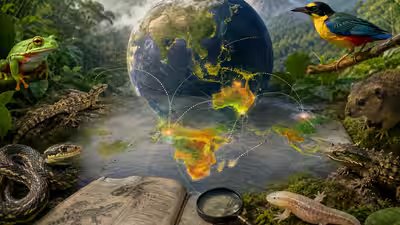
Scientists spent 100 years discovering new animals and found that hotspots are emerging in unexpected places; it is now reshaping the understanding of biodiversity

Representative Image (AI-generated) For much of the past century, scientists have steadily expanded the catalogue of life on Earth, adding species that were previously unknown to science and refining the ranges of those already documented. But what happens when those discoveries are added back into the maps scientists use to understand global biodiversity? A new…
Read More

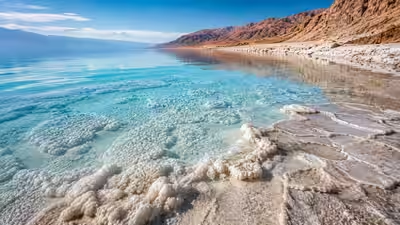
The Dead Sea has been building a salt floor for years. In 2019, scientists finally revealed a hidden process that keeps adding new salt every year. |

For years, the Dead Sea presented scientists with a genuine puzzle. Its upper waters, warmed by relentless sun and thickened by evaporation, seemed to shed salt each summer rather than accumulate it, while the lakebed far below kept gaining a fresh crust of crystals regardless of season. According to a 2016 study published in Limnology…

Read More

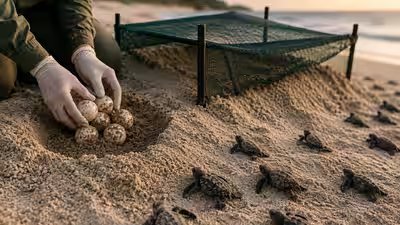
Conservationists move threatened sea turtle nests to safer sand to save eggs from heat and tides; a 2-year study found lower hatching success, smaller hatchlings and just 8% males in one season

Representative Image (AI-generated) As rising temperatures, flooding and erosion put sea turtle nests at greater risk, conservationists often step in to move vulnerable eggs to safer parts of the beach. The practice can prevent an entire clutch from being destroyed by high tides, extreme heat or other immediate threats. But a new two-year study suggests…

Read More

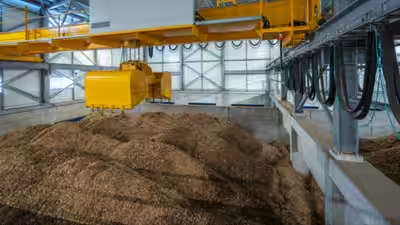
Scientists are turning discarded wood into foam to replace plastic in packaging and construction industries; it can decompose in soil within months

In Canada, wood waste from logging and areas affected by wildfires is finding an unexpected fate. A new pilot in the country has begun converting this material into a lightweight, biodegradable wood foam designed to replace products made with plastic foam, according to information released by the University of British Columbia (UBC). While discarded plastic…

Read More

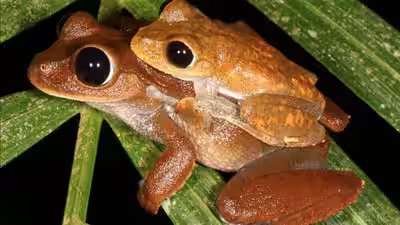
Scientists searched for threatened Australian rainforest frogs without seeing or hearing them; DNA in creek water collected up to 22 km downstream revealed populations in places where the frogs had disappeared

​Photos of a study species: the Australian Lace-lid (L. dayi)Photo credit: Conrad J Hoskin. In the cool, wet upland streams of Queensland’s Wet Tropics, several species of rainforest frog were pushed to the brink in the 1980s and 1990s by chytrid fungus, an aquatic pathogen that attacks frog skin and has driven extinctions worldwide. For…

Read More

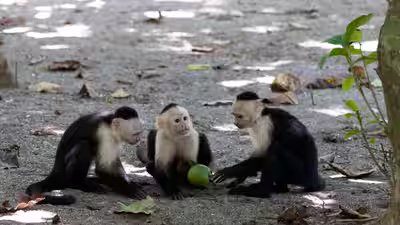
Scientists watched wild capuchin monkeys for 45 months and recorded around 280 vertebrate-eating events; when fruit became scarce, the monkeys increasingly turned to lizards, snakes and other animals for food

Capuchin monkeys (Representative Image/ Canva) For most people, monkeys are closely associated with fruit, leaves and insects. But when their preferred plant foods become harder to find, some capuchin monkeys appear willing to switch strategies. They hunt and eat small vertebrates, including mammals and reptiles, turning to animal prey as an important source of energy…

Read More

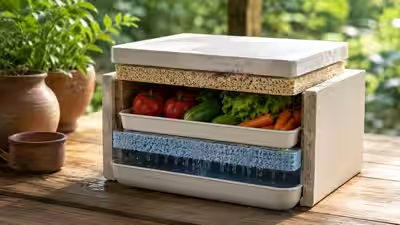
In 2022, MIT researchers built a 4-inch, 3-layer cooler using evaporation and insulation to keep food fresh without electricity |

On a hot roof in Cambridge, Massachusetts, a small experimental device sat in the sun without a fan, compressor or electrical connection. Its job was simply to get colder than the air around it. Water moved through one part of the device, heat escaped through another, and layers of insulating material helped keep the cooling…

Read More

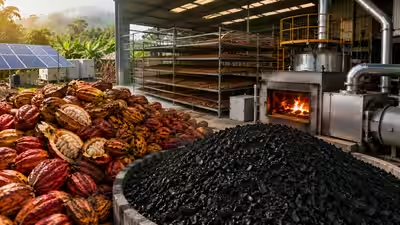
Vietnamese cocoa processor converts 5,000 tons of discarded pods into biochar and clean energy, turning cocoa waste into heat that cuts drying time from 15 days to 7 |

A cocoa processor in Dong Nai, Vietnam, has turned a long-standing waste problem into part of the solution for one of its biggest production headaches. Trong Duc Cocoa Company, the country’s second-largest cocoa producer, generates around 5,000 tons of empty fruit pods every year after extracting fresh beans. Rather than letting that waste pile up,…

Read More

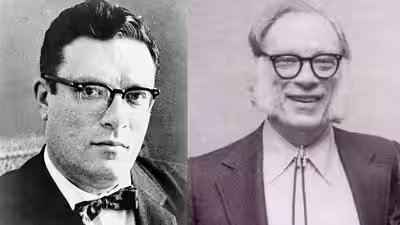
Quote of the day by Isaac Asimov: “The saddest aspect of life right now is that knowledge…” |

Image(s): Left/Wikipedia/Right/Fandom Humanity has never had access to information on the scale available today. With a few taps, we can find scientific discoveries, historical records, news and opinions from almost anywhere in the world. Yet having more information does not necessarily mean becoming wiser about how to use it. Isaac Asimov captured this tension in…

Read More

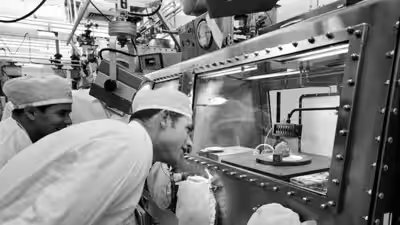
In 1971, Apollo 15 astronauts found an unusual white rock on the Moon; scientists later identified the Genesis Rock as part of ancient lunar crust about 4 billion years old

In 1971, Apollo 15 astronauts found an unusual white rock on the Moon (Image Credit: NASA) When Apollo 15 astronauts David Scott and James Irwin explored the Moon in 1971, they were looking for rocks that could reveal how the lunar surface formed. During their mission, they spotted an unusually bright fragment near Spur Crater,…

Read More