


Headlines

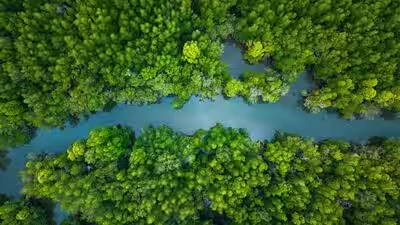
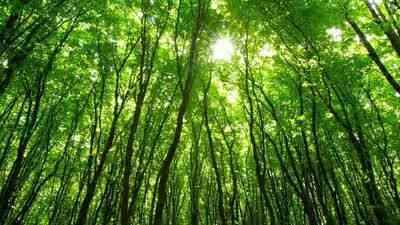
Researchers studied 1,561 forest plots across 10 tropical countries; non-native trees formed 28% of stems in young moist forests, but declined as the canopy returned

A new study which was done across tropical countries suggests that non-native trees can become surprisingly common in young regenerating forests, especially where the canopy is still open. But as the forest matures and the canopy closes, their share tends to decline. The study was published in Nature’s July 2026 journal.The research analysed 1,561 forest…
Read More

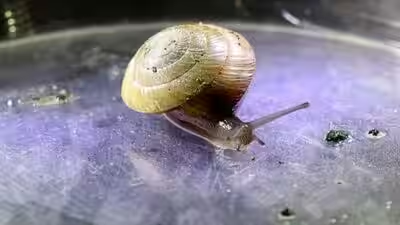
Invasive predators nearly erased this Bermuda snail; fewer than 200 survived in an alley in 2014, but a decade later breeders had released over 100,000 and established six wild colonies |

The great Bermuda snail, which was once considered to be lost forever, is now safe and secure. The species known as Poecilozonites bermudensis was believed to be lost for over 40 years until a small surviving population was rediscovered in a damp alleyway in the North Atlantic archipelago’s capital, Hamilton, about ten years ago. They…

Read More

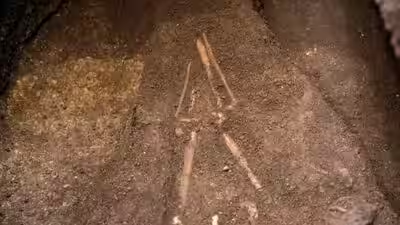
El Salvador archaeologists lifted a burial sealed beneath 2,800-year-old volcanic ash; the person lay face down with a sea turtle-shaped vessel near one hand |

There are no limits to a human’s materialistic wants and emotional feelings. Attachment is the quickest development to happen and the slowest to recede. This is possibly why archaeologists in El Salvador found a 2,800-year-old burial of a person clutching a sea turtle vessel.The Mesoamerican burial found a face-down human skeleton that may be from…

Read More

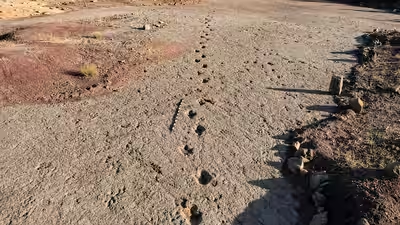
A 66-million-year-old dinosaur highway in Bolivia reveals more than 16,000 fossil footprints from the final days of the dinosaurs |

Millions of years before roads connected modern cities, dinosaurs were already following well-worn routes across ancient landscapes. A remarkable fossil site in central Bolivia has preserved this prehistoric movement in extraordinary detail. Scientists have documented more than 16,000 dinosaur footprints at the Carreras Pampa tracksite in Torotoro National Park, making it the world’s largest known…

Read More

China lost more than 50% of its mangrove forests by the 2000s, now it has restored 22,500 hectares of the trees becoming one of the few countries on the globe where mangrove coverage is increasing |

Mangroves naturally occur along the southeast Chinese coast and traverse the provinces of Hainan, Guangdong, Guangxi, Fujian and Taiwan. Thirty-seven mangrove tree species, representing 20 families and 25 genera have been documented in the country. Yet a remarkable decrease of species richness has taken place over the past 40 years in China, with the nation…

Read More

Scientists discovered how the Moken sea nomads developed an extraordinary ability to see underwater like dolphins |

For most people, opening their eyes underwater turns the world into a blur. The human eye is designed to focus light passing through air, and once submerged, much of that focusing power is lost. Yet for generations, the children of the Moken, an Indigenous sea-nomad community living around the Andaman Sea between Thailand and Myanmar,…

Read More

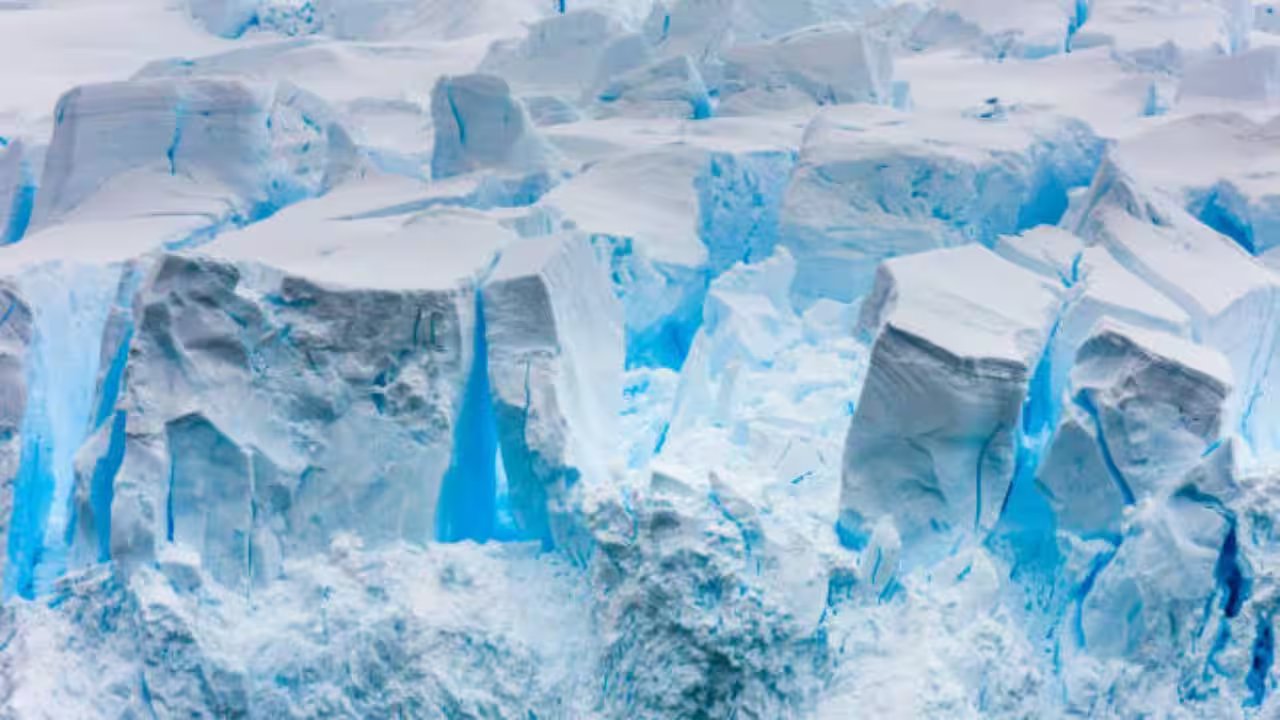
Antarctica averages minus 55°C at Vostok Station, yet a Lake Ontario-sized body of water remains liquid beneath four kilometres of ice for fifteen million years |

Antarctica is the coldest continent on Earth, featuring a deadly combination of extreme temperatures, high elevation and ice-covered terrain. The Russian Vostok Station here averages minus 55°C and on July 21, 1983, it recorded the lowest reliably measured air temperature on Earth, −89.2°C.Yet sealed beneath the white ice sheets of the region is a hidden…

Read More

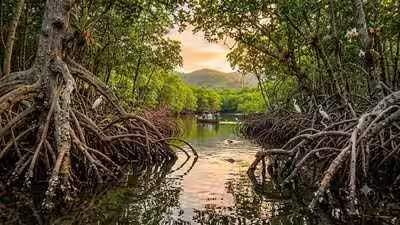
How planet’s ‘blue forests’, mangroves, protect coastlines, support wildlife and store up to four times more carbon than tropical rainforests |

Mangrove forests occupy only a tiny fraction of Earth’s land surface, yet they are among the planet’s most valuable ecosystems. Growing where land meets the sea, these salt-tolerant trees form dense coastal forests that shield shorelines from storms, provide nurseries for marine life and lock away enormous amounts of carbon. Their exceptional ability to capture…

Read More