





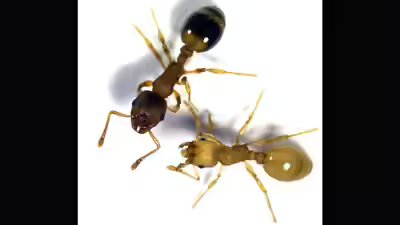
A tapeworm infects worker ants and makes them live several times longer by turning their bodies more like those of queens

A worker ant of the species Temnothorax nylanderi infected with the tapeworm Anomotaenia brevis, recognizable by its yellowish coloration, alongside an uninfected worker (Credit: Susanne Foitzik) Deep inside the damp leaf litter of the Lenneberg Forest near Mainz, Germany, tiny worker ants of the species Temnothorax nylanderi are living surprisingly long lives. While a normal…
Read More

Gunaikurnai Rituals: Grass burned for magic, healing and cursing: 25,000-year-old cave discovery reveals ancient Australian rituals

For 25,000 years, the GunaiKurnai (an Australian Aboriginal nation) people carried grass into Cloggs Cave and burned it. Archaeologists have finally found physical evidence that proves the ritual existed. These people burned the grass as part of rituals tied to magic, healing and the spiritual realm. Researchers unearthed layers of ash rich in phytoliths, microscopic…

Read More

Invasive plants may be boosting mosquito numbers in lower-income areas, showing how neighbourhood vegetation can quietly shape public-health risks

Hand reaching into a mosquito enclosure. Credit: Credit: Edwin Remsberg / University of Maryland Low-income urban neighbourhoods in Baltimore and Washington, DC, have higher mosquito numbers partly because of the types of trees growing on their streets and in empty lots, according to new research published in the Journal of Medical Entomology.The study, co-authored by…

Read More

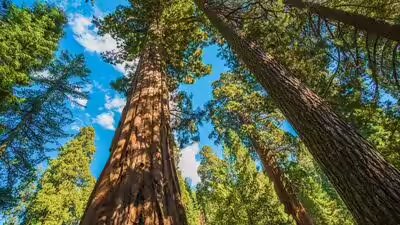
They can survive for 3000 years yet 1 in 5 of giant sequoias were destroyed in California fires; a NASA-funded study says controlled burns could dramatically improve their survival

Giant sequoias (Image Credit: Canva) California’s giant sequoias have stood tall for thousands of years, surviving droughts, storms and countless natural fires. Yet, in just two wildfire seasons, these ancient giants suffered unprecedented losses. Between 2020 and 2021, record-breaking wildfires are estimated to have killed nearly 17% of the world’s mature giant sequoias, roughly one…

Read More

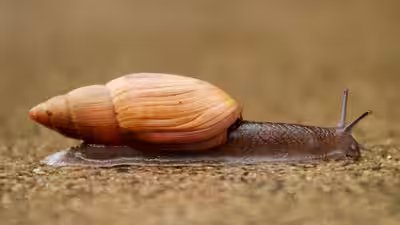
Hawaii: In 1955, Hawaii released a cannibal snail to control another invasive snail, but the predator instead helped push the islands’ rare native tree snails toward extinction

Still, the outlook for Hawaii’s snails is uncertain, symbolizing a new era in the conservation of endangered species. In 1955, wildlife officials in Hawaii released a meat-eating “cannibal” snail to control an invasive pest. But the plan went terribly wrong. Instead of eating the pest, the predator turned on the islands’ rare native tree snails,…

Read More

A silent coral reef came back to life after scientists played recordings of healthy reefs underwater |

The decline of coral reefs is often described through bleaching events, rising sea temperatures and fading marine life. Less attention is paid to something that disappears at the same time: sound. A healthy reef is rarely quiet. Snapping shrimp, feeding fish and countless other marine animals create a constant underwater backdrop that helps young fish…

Read More