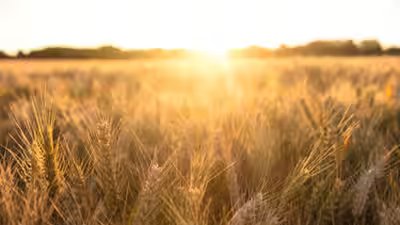






In 1961, British scientists stopped farming a 4-hectare barley field and left it alone; 60 years later, it had turned itself into a complex native woodland

The four-hectare barley field was abandoned in 1961 after researchers harvested its final crop, allowing nature to take over without further human intervention. In 1961, researchers at Monks Wood in Cambridgeshire harvested a final crop of barley from a four-hectare agricultural plot known as Stocking Close, ploughed the soil and walked away. They did not…

Read More

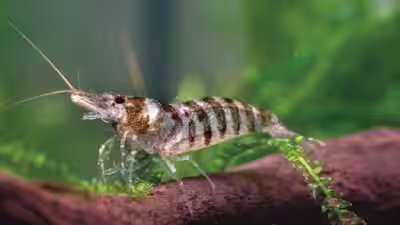
In 1968, Montana began stocking tiny shrimp to feed kokanee salmon; after they reached Flathead Lake, the salmon collapsed and hundreds of bald eagles and bears lost a reliable food source

An ecosystem collapse in Montana remains a lasting lesson in how well-intentioned wildlife management can have devastating consequences. When state wildlife officials introduced a non-native, tiny crustacean into nearby lakes in 1968, the goal seemed simple. They believed stocking the opossum shrimp, Mysis diluviana, would provide an extra food source and help increase populations of…

Read More

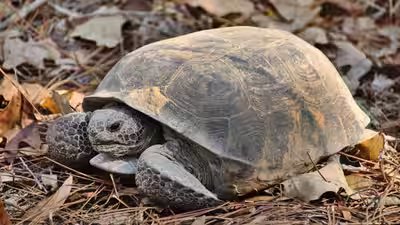
Mississippi landowners restored woodland for gopher tortoises; two decades later the same habitat became a release site for nearly 500 endangered frogs

The gopher tortoise is a land-dwelling reptile native to the southeastern United States that digs deep burrows used by hundreds of other animals. More than two decades after two Mississippi landowners began restoring their land to help an endangered tortoise, their work has now created a new home for one of North America’s rarest amphibians….

Read More

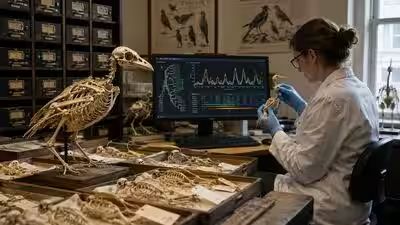
Meet Seth Nabat, the 18-year-old California student who built a two-network machine-learning system to track particle collisions; he won $40,000

Seth NabatPhoto: Society for Science Every year, nearly 1,900 of the nation’s most promising high school seniors submit original research to the Regeneron Science Talent Search (Regeneron STS), the oldest and most prestigious science and mathematics competition in the United States. According to the Society for Science, which runs the competition, the Regeneron STS recognises…

Read More

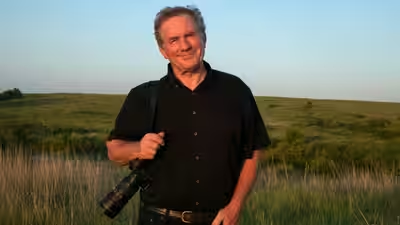
Photography To Protect Endangered Species: In 2006, Joel Sartore began photographing one animal at a time; 18,000 species later, his Photo Ark has become a global conservation movement fighting to save wildlife from extinction

Joel Sartore started the project with a simple but powerful idea: to photograph animals one species at a time, creating a visual record before they are gone. (Image: Instagram/joelsartore) In a world where species can disappear before most people even know they exist, photographer Joel Sartore has spent two decades making sure wildlife is seen….

Read More

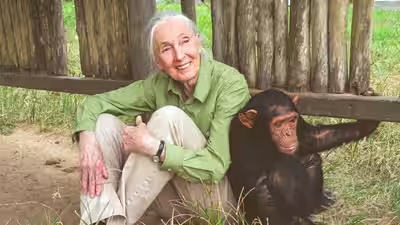
Quote of the day by Jane Goodall: “Every individual matters. Every individual has a role to play. Every individual…” |

Jane Goodall spent decades studying chimpanzees in the wild before becoming one of the world’s most recognisable voices for wildlife conservation and environmental protection. Her work changed how scientists understood chimpanzee behaviour and helped demonstrate the importance of protecting animals and their habitats. One of her most widely shared messages is simple: “Every individual matters….

Read More

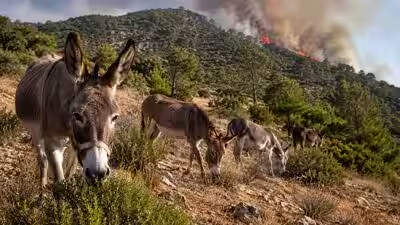
A Spanish woman turned 18 rescued donkeys into a wildfire-fighting team, with the animals grazing for up to 7 hours a day; her unusual conservation idea is helping prevent fires before they start

In the sun-drenched hills of Andalusia, Spain, an unlikely team of firefighters is making headlines. They don’t carry hoses, wear helmets, or race to blazes in red trucks. Instead, they have four legs, long ears and a simple mission: eat grass. Meet the “firefighting donkeys” of Doñana National Park, a group of 18 rescued animals…

Read More

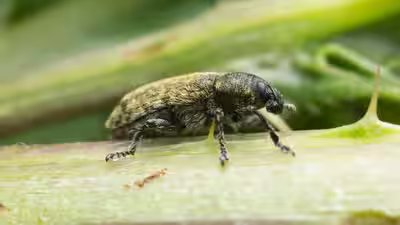
Between 1969 and 1972, the US released a European weevil to fight invasive musk thistle; it later attacked at least 25 native thistles, including rare and endangered species

Rhinocyllus conicus (Image Credit: Canva) A biological control programme launched in the United States more than five decades ago has become a cautionary example of how attempts to manage invasive species can produce unexpected ecological consequences. According to a USDA Forest Service assessment of invasive species in the Southwest, the thistle seedhead weevil (Rhinocyllus conicus)…

Read More