





Scientists have solved the mystery of unusually high concentrations of chlorophyll detected more than 1,000 metres beneath the ocean surface by autonomous underwater robots after years of puzzling. The discovery, which took place between 2014 and 2017 in the North Atlantic, defied existing knowledge, as chlorophyll, produced by microscopic algae that rely on sunlight, is generally found in the upper layers of the ocean.Now, a new study in Science Advances has identified the mechanism behind this phenomenon, reported Phys Org. According to the research led by scientists from the Institute of Marine Sciences (ICM-CSIC) and the Barcelona Supercomputing Center (BSC-CNS), powerful winter ocean currents have a fast-track for transporting living microalgae and organic matter from the surface to the deep sea, opening up an important pathway for carbon storage and the maintenance of deep-ocean ecosystems.
A secret ocean circulation system
The study was carried out in the subpolar North Atlantic, especially the Labrador and Irminger Seas, where the circulation of the ocean is strongly affected by the harsh winter conditions. It was found in the study that in winter, cold air and high winds cool the surface waters to make them denser than the water surrounding them. These heavy water masses sink rapidly in a process known as deep convection. Scientists call this an underwater cascade, carrying particles full of nutrients, including living microalgae and organic debris, from the surface down to more than 1,000 metres. This mechanism is far more rapid and can carry material to much greater depths than the slow settling of particles by gravity.
Unexpected signal discovered by underwater robots

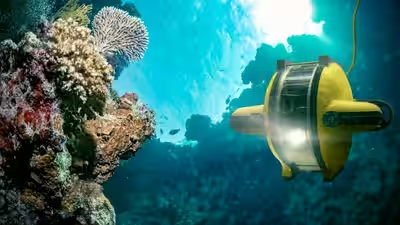
The breakthrough came from readings by autonomous underwater robots called Biogeochemical-Argo floats.
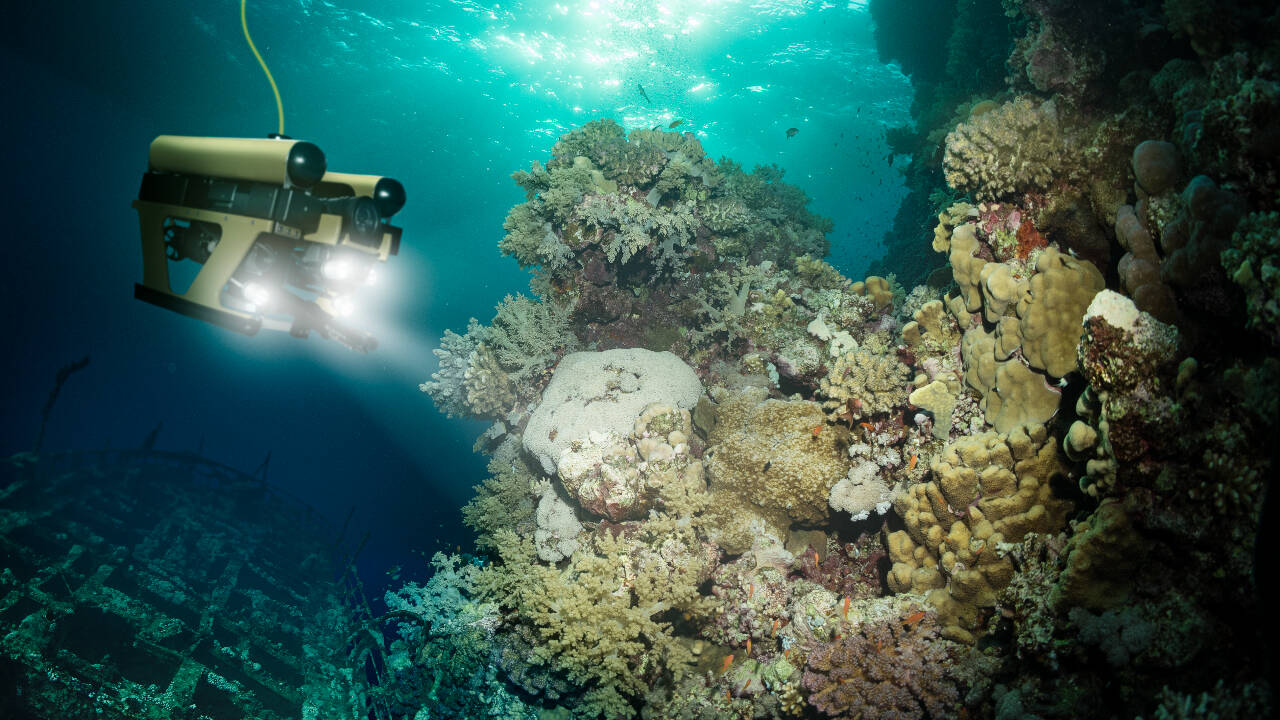
According to the study, the breakthrough came from readings by autonomous underwater robots called Biogeochemical-Argo floats. These robotic instruments drift through the ocean, diving and surfacing at different intervals, taking measurements of temperature, salinity, oxygen levels and biological activity. They found surprising spikes of chlorophyll in deep waters in several winters between 2014 and 2017, at depths of around 1,000 metres. It is mentioned in the study that the presence of chlorophyll at such depths suggested that surface material had reached the deep ocean much more quickly than scientists had previously thought possible, since chlorophyll is associated with photosynthetic organisms that live near sunlight.
Supercomputers to the rescue
Scientists used field observations and sophisticated computer simulations to determine how the chlorophyll got so deep. Also, the team turned to high-performance supercomputers at the Barcelona Supercomputing Center to replicate large-scale ocean circulation and biogeochemical processes. The simulations revealed that deep convection is greatly enhanced during especially severe winters, leading to a dramatic increase in the transport of carbon-rich organic matter to the deep ocean. The models also showed that once this stuff sinks, some of it gets carried sideways by deep ocean currents, keeping carbon stored far away from where it originated for long periods of time.
Major role in storing carbon
The study shows that this mechanism accounts for 30 to 50 percent of all organic particles
The results show this underwater transport pathway plays a much more significant role in the global carbon cycle than previously thought. The study shows that this mechanism accounts for 30 to 50 percent of all organic particles that reach depths between 500 and 2,000 metres in winters with particularly strong mixing in the ocean. These particles are composed of carbon that microscopic algae first absorbed from the atmosphere during photosynthesis, so carrying them to the deep ocean is a way of effectively removing carbon dioxide from the atmosphere for long periods of time. This natural process helps regulate climate by helping to lock away carbon under the surface of the ocean.
Why the discovery is important
This study has important implications for the science of climate. Global warming-induced changes in ocean temperature and salinity might weaken deep convection in parts of the North Atlantic. The finding shows that the deep ocean is much more active than previously thought, revealing an effective natural link between surface waters, climate control and life thousands of metres below the sea.


